Used Module Programming: When It Works and When It Doesn't
By Mike Lundgren
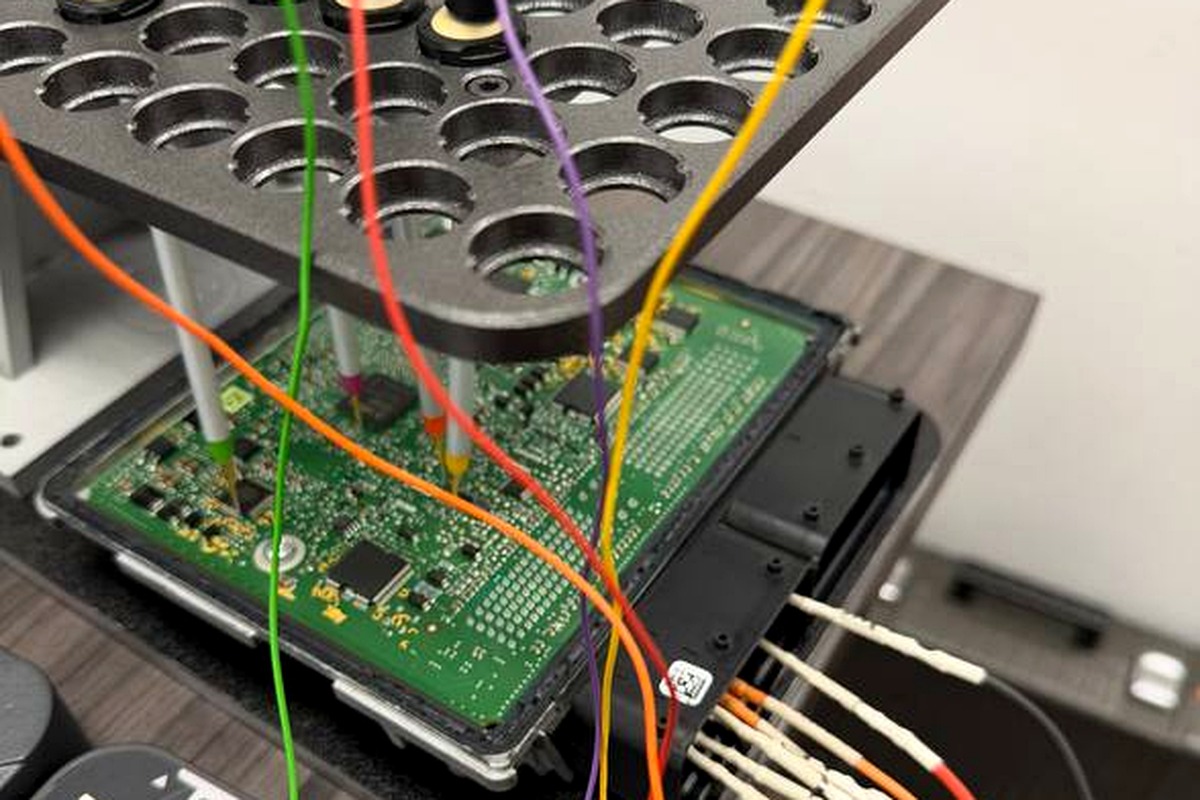
Used control modules can be a smart repair option. They can also turn a simple programming job into a comeback nightmare.
That is the uncomfortable truth with modern module replacement. Sometimes a used ECM, BCM, TCM, RF hub, ABS module, or steering rack module can be installed, configured, and sent down the road. Other times the vehicle architecture, security data, VIN lock, immobilizer strategy, or internal module condition makes the used part a bad choice from the start.
For repair shops, the key is knowing the difference before the part is installed.
Why Used Modules Are So Common Now
Used modules are not just a budget shortcut anymore. Shops reach for used modules because:
- new modules are expensive
- new modules are backordered
- some OE modules are discontinued
- insurance or used-car repairs need a cost-effective option
- older vehicles are not worth a brand-new control module
- a vehicle may be stuck in the shop until somebody can make a replacement module work
In those situations, a used module may be the difference between saving the vehicle and scrapping it. But the word “used” does not automatically mean “programmable.”
Programming vs. Setup vs. Cloning
A lot of confusion comes from using the word programming for several different operations.
Standard programming
Standard module programming usually means installing software or calibration files with factory service software. This is common with new blank modules and some remanufactured modules.
Setup or configuration
Setup may include VIN writing, option configuration, immobilizer learns, tire size, axle ratio, RPO data, as-built data, or special functions after programming.
Cloning
Cloning means copying critical data from the original module into the replacement module. Depending on the vehicle, that data may include VIN, immobilizer information, coding, security bytes, configuration, or EEPROM/flash contents.
This is why a used module may not work through factory programming alone. Some modules need data moved from the original. Some need to be reset or virginized. Some cannot be reused economically at all.
When Used Modules Usually Have a Better Chance
Used modules tend to be more realistic when:
- the original module still communicates and can provide data
- the replacement part number and hardware match closely
- the module is not permanently locked to the donor vehicle
- factory software supports PMI, configuration, or setup on that module
- aftermarket tools can safely clone or adapt the module
- the module is not part of a tightly secured immobilizer chain
- the failure is not a common internal defect shared by all used parts from that application
Ford modules are a good example where used modules can sometimes be workable, especially when the right data is available and the replacement is compatible. Some older Chrysler/Stellantis applications can also be friendly, but there are plenty of exceptions.
When Used Modules Get Risky
Used modules become risky when the shop is guessing.
Red flags include:
- the original module is completely dead and cannot be read
- the replacement came from a different year, trim, engine, transmission, or option package
- the vehicle uses immobilizer or security data stored inside the module
- the module is VIN-locked or one-time-write
- the module came from a flood, crash, or unknown failure vehicle
- the shop already installed a used transmission, rack, or module before checking compatibility
- multiple modules were replaced at the same time
- the customer expects a cheap used part to behave like a new OE part
That last one matters. Even if the programming succeeds, the used module can still be bad. Programming does not repair worn solenoids, damaged internal drivers, failed processors, water damage, or a junkyard part that was already failing.
GM Global A: A Common Example
GM Global A vehicles are a frequent source of confusion. Many modules in these vehicles are designed around VIN/security restrictions. Some used modules can be made to work with the right process or tools, but others are not straightforward factory-programming jobs.
A shop may install a used ECM, TCM, BCM, rack, or transmission module and expect normal SPS programming to make it work. Sometimes it will. Sometimes it will not. Sometimes programming a module that was already functioning can actually create a worse situation if the application does not support that used-module path.
The lesson is simple: with Global A and newer GM platforms, verify the used-module plan before installing the part.
Transmissions and Steering Racks Need Extra Caution
Used transmissions, valve bodies, racks, and electronic steering components add another layer of risk.
The electrical or programming side may be only part of the repair. Even if the module configuration is completed correctly, the mechanical assembly can still be bad. A used transmission may shift poorly because the transmission itself has a problem. A used electronic steering rack may fail because the rack is damaged, not because programming was wrong.
That is why these jobs need clear expectations: programming can only solve the programming side of the problem.
What Shops Should Do Before Buying a Used Module
Before ordering or installing a used module, slow down and verify the plan.
-
Identify the exact module and part number
Match hardware, calibration family, connector style, and application details whenever possible. -
Check whether the original module communicates
If the original can still be read, cloning or data transfer may be possible. -
Check factory service information
Look for programming, PMI, setup, immobilizer, configuration, and initialization procedures. -
Confirm whether the module is security-related
ECMs, BCMs, RF hubs, keyless access modules, steering column locks, and immobilizer modules often need special handling. -
Ask before installing the part
It is much easier to evaluate options before the vehicle is torn apart or the wrong used part is already installed. -
Set customer expectations
Used module work may save money, but it is not the same risk profile as installing a new OE module.
Why Mobile Programming Support Matters
This is where a programming specialist can save a shop time and money.
At ST Mobile Auto, we help shops determine whether a used module is realistic, whether programming or cloning is required, and whether the installed part is even the right path. The goal is not just to make a scan tool say programming complete. The goal is to get the vehicle fixed without creating a second problem.
Sometimes the answer is yes: the used module can work.
Sometimes the answer is yes, but only with cloning, EEPROM work, or special tooling.
Sometimes the answer is no: the correct repair is a new or properly prepared replacement module.
Knowing which situation you are in before the job starts is what keeps a module replacement from turning into a long, expensive guessing game.
Need Help With Used Module Programming?
If your shop is dealing with a used ECM, BCM, TCM, RF hub, ABS module, steering rack, or other replacement control module, contact ST Mobile Auto before the part becomes a problem.
We provide mobile module programming and diagnostic support for shops across the Twin Cities area, including used-module evaluation, programming, setup, and advanced cloning guidance when the application supports it.
Need Help With This?
We handle jobs like these every day for shops across the Twin Cities.