
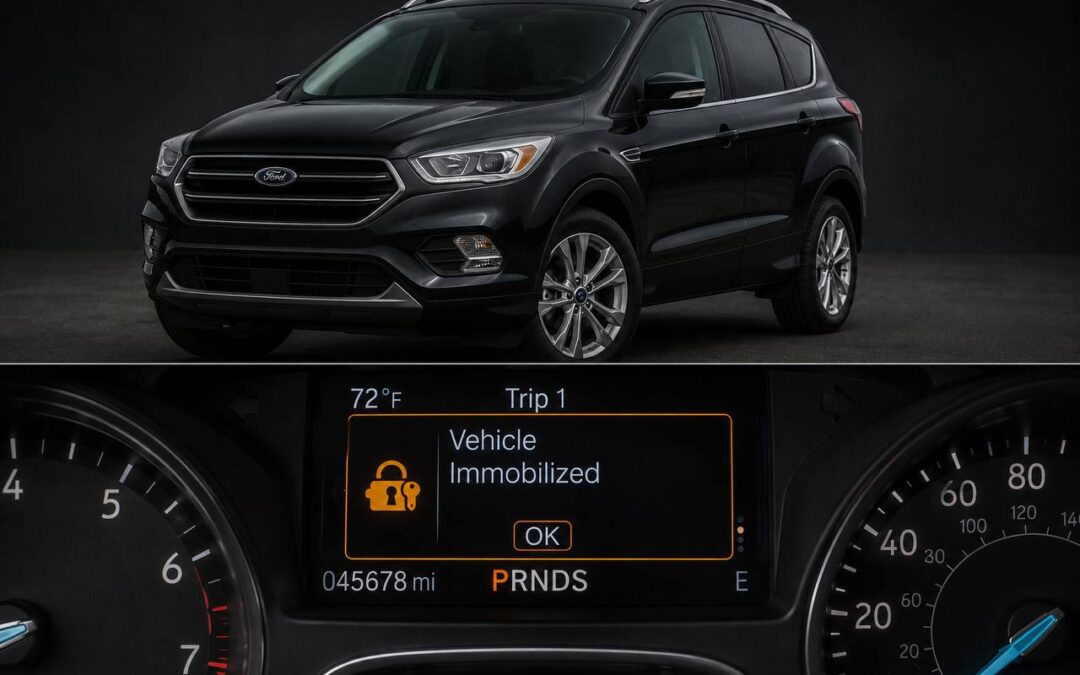
When diagnosing a no-start vehicle, one of the most critical early decisions is determining whether the immobilizer system is actually preventing the engine from starting. Many technicians waste valuable time chasing immobilizer issues when the real problem lies elsewhere – or miss genuine immobilizer problems by assuming other causes.
The Key Indicators: Light Function and Behavior
The first step is understanding how the immobilizer light should function on the specific vehicle you’re diagnosing. This varies significantly between manufacturers:
GM Vehicles
GM’s immobilizer light (typically a lock and vehicle symbol) will stay on steady when the vehicle is truly immobilized. If you key up the vehicle and this light remains on continuously, you likely have an immobilizer issue.
Toyota and Lexus
Toyota immobilizer lights behave differently – they’re often located off to the side of the dash rather than center-mounted. With a properly matched master key, the light should turn off immediately when the key is inserted, even before starting the vehicle.
Ford Vehicles
Ford immobilizer systems typically prevent cranking entirely when activated. If a Ford vehicle cranks but won’t start, the immobilizer is likely not the issue.
A recent case with a 2020 Kia Sedona illustrates this perfectly. The vehicle had an amber immobilizer light that came on during startup, leading the shop to assume it was immobilized. However, observing the light’s complete behavior showed it turned off after a brief period – normal operation for this vehicle.
Scan for Codes – But Clear and Recheck
Immobilizer-related trouble codes can be misleading. Low battery voltage from excessive cranking attempts often sets immobilizer codes that have nothing to do with the actual starting problem.
The diagnostic process should include:
- Document all existing codes before clearing
- Clear codes and attempt to start multiple times
- Check if codes return immediately
- Focus on codes in immobilizer-related modules (ECM, BCM, theft deterrent module)
A Lexus case demonstrated this perfectly – it had a B2799 immobilizer code, but after clearing, the code didn’t return. The real problem was a broken camshaft that prevented the engine from running.
Use Data PIDs to Confirm System Status
Modern scan tools provide valuable data parameters that reveal the immobilizer system’s actual status:
Starter Command Data
Look for “starter command” or similar PIDs in the engine control module. If the system shows “ON” when you attempt to start, the immobilizer is likely allowing the start attempt.
Immobilizer Status Parameters
Many vehicles provide direct immobilizer status readings showing “armed/unarmed” or “set/unset” conditions.
Identifying Immobilizer System Components
To effectively diagnose immobilizer issues, you need to know which modules are involved. Two reliable methods:
- Wiring Diagrams: Check the “anti-theft” section in your service information’s redrawn diagrams
- Autel IM Series Tools: Use the “Immobilizer System Scan” function for a comprehensive overview of all involved modules and their status
Understanding Vehicle-Specific Immobilizer Behavior
Different manufacturers handle immobilization differently:
- No-Crank: Many Ford vehicles won’t crank when immobilized
- Start-and-Stall: GM vehicles often allow cranking and brief running before shutting down
- Immediate Shutdown: Some systems prevent any engine operation
Building a reference database of how specific vehicles behave when immobilized can dramatically speed future diagnostics.
What This Means for Your Shop
Misdiagnosing immobilizer issues costs shops time and money. A systematic approach to determining actual immobilizer status prevents:
- Unnecessary module replacements
- Wasted time on immobilizer programming
- Customer dissatisfaction from extended repair times
- Comeback repairs from missed root causes
The key is developing a consistent diagnostic process that quickly separates genuine immobilizer problems from other no-start causes.
When You Need Expert Immobilizer Support
Complex immobilizer diagnostics and programming often require specialized tools and experience. ST Mobile Auto provides comprehensive immobilizer services throughout the Twin Cities metro area, including:
- On-site immobilizer system diagnosis
- Module programming and relearning procedures
- Key programming and replacement
- Communication network diagnostics
- Remote programming support for complex cases
Don’t let immobilizer issues tie up your bay for hours. Our mobile service brings the expertise and tools directly to your shop, ensuring quick resolution and satisfied customers.
Contact ST Mobile Auto:
Phone: (612) 355-9566
Service Request: https://stmobileauto.com/shop-forms/