When programming a clutch control module on GM SUVs like the Chevrolet Traverse, GMC Acadia, Buick Enclave, or Saturn Outlook, there’s a critical calibration step that must be completed after the initial GMSPS programming. This step requires a two-digit ID code that’s stamped directly on the module’s connector, and missing it will leave you with calibration error codes even after successful programming.
Which GM SUVs Use This Clutch Control Module
The rear drive clutch control module is found on all-wheel drive versions of these GM SUVs, particularly in the 2010-2015 model years:
- Chevrolet Traverse
- GMC Acadia
- Buick Enclave
- Chevrolet Equinox (AWD models)
- Saturn Outlook
This module controls a clutch within the rear differential housing and is mounted directly to the top of the differential. The harsh environment causes these modules to fail frequently, typically presenting as a complete loss of communication.
The Programming Process
Programming the replacement clutch control module follows the standard GM procedure through GMSPS via the ACDelco TDS website. The initial programming is straightforward and completes quickly. However, this is where many technicians think they’re finished—and that’s the mistake.
The Critical ID Code Calibration Step
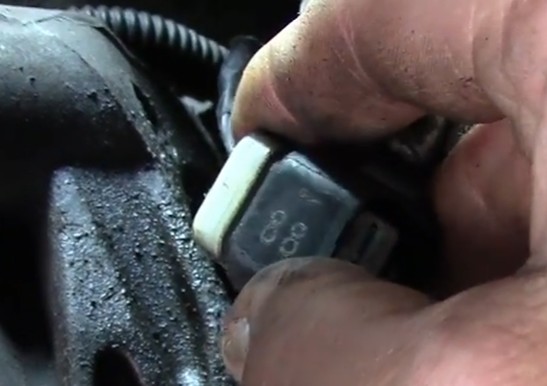
After completing the GMSPS programming, you must perform an additional calibration procedure using your scan tool. This works with aftermarket tools like Launch and Autel, as well as factory scanners. The calibration requires a two-digit ID code (typically a letter followed by a number) that’s stamped on one of the module’s two connectors.
Here’s the key: record this ID code before installing the new module. The code is stamped on the connector itself, and accessing it after installation requires lifting the vehicle and potentially using mirrors to see the stamped digits clearly.
Step-by-Step Calibration Process
- Complete the standard GMSPS programming procedure
- Access the clutch control module with your scan tool
- Navigate to the calibration or “Match ID” function
- Enter the two-digit code from the connector
- Allow the calibration to complete
Once this calibration is finished, any “calibration incorrect” or “calibration incomplete” codes will clear automatically.
What This Means for Your Shop
This additional calibration step is often overlooked, leading to callbacks and wasted diagnostic time. The error codes that remain after incomplete calibration don’t indicate programming failure—they specifically point to the missing ID calibration step. Training your technicians to capture the ID code during module removal saves significant time and prevents the need to re-access the connector after installation.
For shops handling these repairs regularly, documenting this procedure in your service notes ensures consistent, complete repairs on the first attempt.
Professional Module Programming Services
ST Mobile Auto provides comprehensive module programming services for GM vehicles throughout the Twin Cities metro area. Our team handles the complete programming process, including the critical calibration steps that ensure proper module operation. We offer both on-site programming at your shop and remote programming solutions for modules that can be bench-programmed.
Whether you need assistance with clutch control modules, BCMs, PCMs, or other GM modules, ST Mobile Auto has the tools and expertise to complete the job correctly the first time.
Contact ST Mobile Auto:
Phone: (612) 355-9566
Request Programming Service