RAM 5.7 Hemi MDS Cam/Lifter Mismatch
By Mike Lundgren
The Hidden Cause Behind RAM 5.7L Hemi Misfires
When a Dodge RAM 5.7L Hemi presents with a P0306 cylinder 6 misfire code, most technicians expect to find typical causes like spark plugs, coils, or fuel injectors. However, a specific pattern emerges when shops mix MDS (Multi-Displacement System) camshafts with non-MDS lifters during engine rebuilds: the misfire counter shows only cylinder 6, but relative compression testing reveals three cylinders with low compression.
This diagnostic challenge has appeared in multiple cases involving both 2010 RAM 1500 and 2012 RAM 2500 trucks with 5.7L Hemi engines, creating confusion for shops that have already replaced common misfire components without success.
Understanding the MDS System Impact
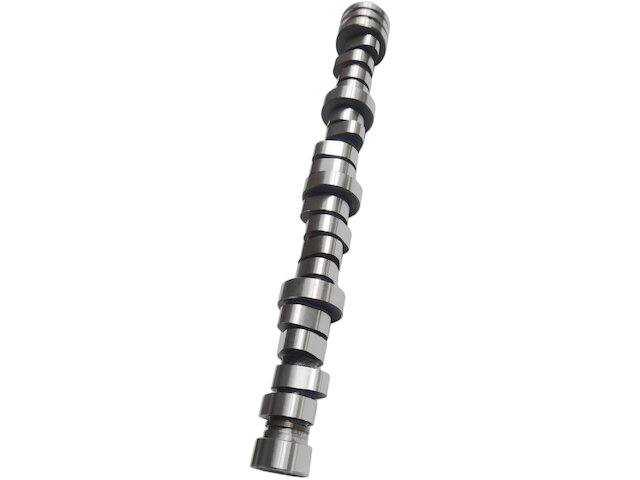
The 5.7L Hemi’s MDS system deactivates cylinders 1, 4, 6, and 7 during light load conditions to improve fuel economy. This system requires specific camshaft lobes and hydraulic lifters designed to work together. According to Engine Builder magazine’s technical documentation, MDS camshafts feature unique intake lobes on the four shutdown cylinders with:
- A primary ramp that takes up locking lash in MDS lifters
- A secondary ramp that closes the check ball in the lifter
- Advanced timing on MDS exhaust lobes by several degrees
When non-MDS lifters are installed with an MDS camshaft (or vice versa), the valve timing and lift characteristics become mismatched, resulting in reduced compression on the affected cylinders.
Diagnostic Pattern Recognition
The telltale signs of this MDS component mismatch include:
- P0306 misfire code (cylinder 6 only)
- Relative compression test showing low compression on cylinders 4, 6, and 7
- Cylinder 1 may show normal compression despite being an MDS cylinder
- Engine runs rough with obvious misfire symptoms
- PCM shuts off fuel injector to cylinder 6 to protect catalytic converter
Why Only Cylinder 6 Codes
While the relative compression test reveals multiple low cylinders, the PCM typically only sets a misfire code for cylinder 6. This occurs because the misfire detection algorithm may be more sensitive to the specific compression and combustion characteristics of cylinder 6 in this failure mode, though the exact reason requires further investigation.
Proper Diagnostic Approach
When encountering this scenario, follow these diagnostic steps:
- Gather complete repair history – Ask specifically about recent engine work, camshaft replacement, or MDS delete attempts
- Perform relative compression testing – Use an oscilloscope to measure starter current draw during cranking
- Check misfire counters – Access live misfire data through OBD2 functions in your scan tool
- Verify component compatibility – Confirm camshaft and lifter specifications match the engine’s MDS configuration
Common Shop Misconceptions
Many shops initially suspect PCM failure when they observe the fuel injector driver shutting off. This is actually normal operation – the PCM disables the injector to prevent catalytic converter damage from raw fuel entering the exhaust stream. The injector driver will reactivate when the engine is restarted, confirming the PCM is functioning correctly.
What This Means for Your Shop
This case study highlights the importance of thorough customer interviews and understanding modern engine systems. When customers attempt MDS deletes or use incorrect replacement parts, the resulting symptoms can mimic electronic failures. Shops that jump to PCM replacement without proper compression testing may find themselves with the same problem and an expensive unnecessary part.
The key takeaway: always verify mechanical integrity before condemning electronic components, especially when recent engine work has been performed. A simple relative compression test can save hours of diagnostic time and prevent costly misdiagnosis.
Expert Mobile Diagnostics for Complex Cases
When your shop encounters unusual misfire patterns or suspects component compatibility issues, ST Mobile Auto provides expert diagnostic services throughout the Twin Cities metro area. Our advanced diagnostic equipment and experience with complex drivability issues can help identify root causes quickly and accurately.
Don’t let challenging diagnostic cases tie up your bay space. Contact ST Mobile Auto at
Need Help With This?
We handle jobs like these every day for shops across the Twin Cities.