ADAS Calibration Setup Failures
By Mike Lundgren
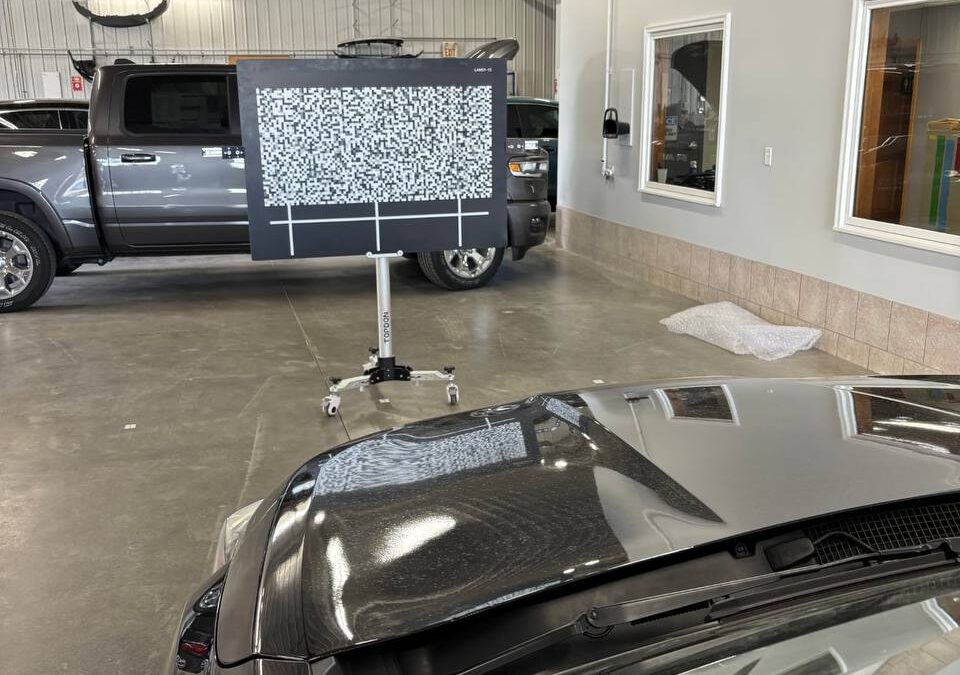
At ST Mobile Auto, we’ve performed hundreds of ADAS calibrations and discovered that the vast majority of calibration failures stem from improper setup rather than actual system faults. Understanding these common issues can save you time, frustration, and costly comebacks.
Vehicle Preparation: The Foundation of Success
Proper vehicle preparation is absolutely critical for successful ADAS calibrations. Our team has found that skipping or rushing through these steps accounts for most calibration failures:
Fuel Level Requirements
Many technicians overlook fuel level requirements, but manufacturers specify full fuel tanks for good reason. The weight distribution affects vehicle ride height and sensor positioning. We’ve had collision centers question why we need to add fuel to a vehicle, but it’s what the service information requires.
Tire Pressure and Condition
Tire pressures must be set to specification, and tire condition is equally important. We recently encountered a Tiguan with one new tire that was 1.2 centimeters taller than the others due to brand differences. Even with similar tread depths, this height difference caused TPMS issues and would have affected ADAS calibration accuracy.
Vehicle Loading
Remove all non-standard loads from the vehicle, but leave factory equipment like spare tires. The goal is to return the vehicle to its factory weight distribution.
Suspension and Alignment Critical Factors
Vehicle geometry directly impacts ADAS sensor positioning and calibration success:
Ride Height Specifications
Incorrect ride height is a major cause of calibration failures. Worn springs, especially rear springs, can cause the vehicle pitch to be outside acceptable parameters. We’ve seen broken rear springs cause unintended ADAS system activation due to altered vehicle geometry.
Steering Angle Sensor Position
A vehicle with a skewed steering angle sensor will fail calibration every time. The steering angle must be properly reset after any alignment work. You cannot compensate for an incorrect steering angle by moving calibration targets.
Thrust Angle Accuracy
Proper thrust angle is essential for ADAS calibration success. This is often overlooked but critical for systems that rely on vehicle tracking accuracy.
Target Placement and Environmental Factors
Precise Target Positioning
Target placement must be exact according to service information. Moving targets to “make it work” is incorrect – you’re essentially moving the system’s zero reference point. If the system doesn’t see the target in the correct position, diagnose why rather than adjusting target placement.
Environmental Conditions
Different sensor types have different environmental requirements:
- Camera calibrations: Require specific lighting conditions and clear lane markings for dynamic calibrations
- Radar calibrations: Less affected by lighting but sensitive to metallic objects in the calibration area
- Ultrasonic sensors: Affected by ambient noise and temperature
Common Installation Errors
Post-repair installation errors are extremely common:
Backwards or Upside-Down Sensors
Blind spot monitors are frequently installed backwards, facing toward the vehicle instead of outward. This is especially common on Chrysler products after collision repairs.
Loose or Improperly Mounted Components
Radar sensors “flopping around” or not properly secured will never calibrate correctly. Even if the connector is plugged in, improper mounting makes calibration impossible.
Bent Brackets and Hardware
Collision damage often extends to sensor mounting brackets. Even slight bends can put sensors outside calibration tolerances.
Following Service Information is Critical
The most important advice we can give is to follow manufacturer service information exactly. This includes:
- Vehicle setup procedures
- Environmental requirements
- Target specifications and placement
- Calibration sequences
Aftermarket scan tool instructions may differ from OE procedures due to different target designs or setup requirements. When possible, use OE service information with OE targets for best results.
Troubleshooting Tips
When calibrations fail, systematically check:
- Vehicle preparation (fuel, tires, loading)
- Suspension geometry and ride height
- Steering angle sensor calibration
- Target placement accuracy
- Environmental conditions
- Sensor installation and mounting
Remember, ADAS calibration is precision work. Taking shortcuts or ignoring setup requirements will result in failures and comebacks. At ST Mobile Auto, we’ve found that meticulous attention to these preparation details ensures successful calibrations and satisfied customers.
Need Help With This?
We handle jobs like these every day for shops across the Twin Cities.