Key Programming Hidden Problems
By Mike Lundgren
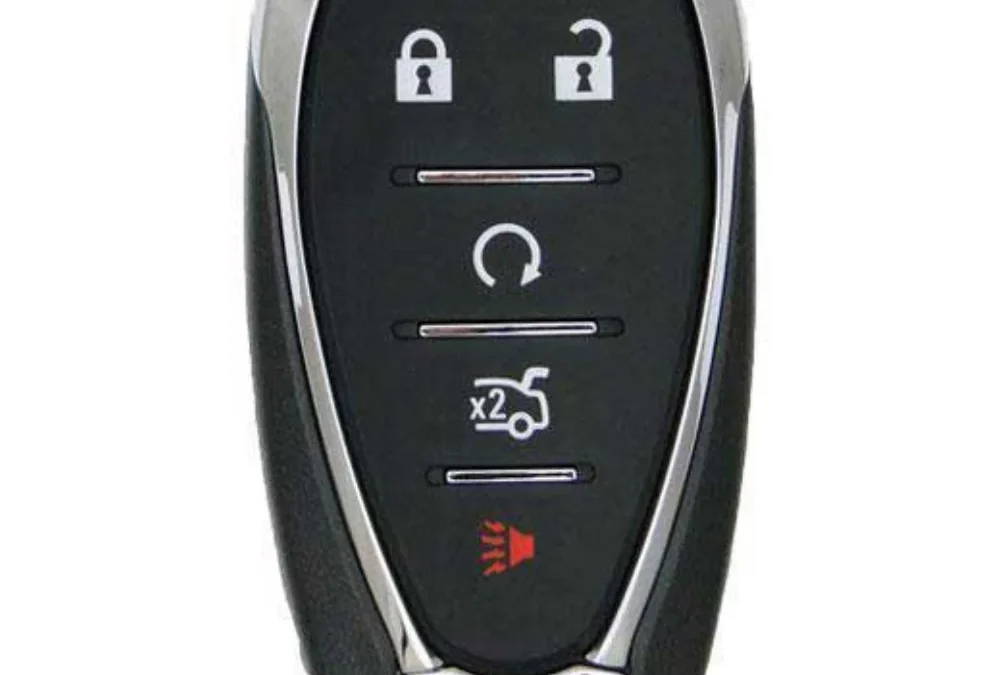
The Hidden Problems That Block Key Programming
Key programming failures aren’t always about the wrong key or faulty tools. Sometimes pre-existing vehicle problems that don’t affect normal driving can completely block the programming process. Two recent cases at ST Mobile Auto demonstrate how seemingly unrelated issues can turn a simple key programming job into a diagnostic challenge.
Case 1: 2017 Toyota Camry – The Missing Key-In Switch
A used car lot called ST Mobile Auto when their customer’s 2017 Toyota Camry wouldn’t start after they added decorative bling rings around the ignition. The immediate problem was obvious – the metal in the bling ring interfered with the transponder communication, causing the immobilizer light to activate.
Removing the bling ring allowed the original transponder key to start the vehicle. However, when attempting to program a new remote head key, the process consistently failed despite using multiple programming tools including Autel, TopDown, and XTool.
The Diagnostic Process
The key would appear to program successfully and could start the vehicle immediately after programming. But after the ignition was turned off and the system went to sleep, the newly programmed key would no longer work, triggering the immobilizer.
Using an Autel IM series tool’s immobilizer system scan revealed that the key count never increased from one to two, even when the programming appeared successful. Data PID monitoring showed the system never recognized when the master key was removed from the ignition.
The Root Cause
The vehicle continued to chime as if the key was in the ignition even when removed. Investigation revealed that someone had previously removed the key-in switch from the ignition cylinder and twisted the two wires together, essentially telling the system the key was always present.
Toyota’s key programming sequence requires the ignition to be turned off and the key removed to advance through programming steps. Since the system never detected the key being removed, programming could never complete properly.
The Solution
Separating the twisted wires and manually operating the key-in switch during programming allowed successful key programming. The remote functions also began working properly, as the system was designed to ignore remote button presses when it detected a key in the ignition.
Case 2: 2018 Chevy Malibu – The Corroded Connector
An all-keys-lost situation on a 2018 Chevy Malibu presented a different challenge. The push-button start system refused to learn new keys despite using correct aftermarket keys and multiple programming tools, including GM’s TechLine Connect (TLC).
Diagnosing the Smart Key System
Using a KeyTool Max to detect ignition coil activity revealed no signal from the key pocket in the center console. The immobilizer control module, a small component behind the center console that operates the key detection coil, wasn’t functioning.
Circuit testing revealed the module had proper ground and LIN bus communication with the body control module (BCM), but no power on the supply wire from the BCM.
The Initial Misdiagnosis
The wiring diagram clearly showed the BCM should supply 12 volts to the immobilizer control module. With only 2 volts present and dropping to zero when connected, the logical conclusion was a faulty BCM. However, installing a new BCM produced identical results.
The Real Problem
Further investigation revealed that GM’s system design only applies full power to the immobilizer control module for three seconds after ignition-on, or when actively attempting to read a key. The 2-volt bias voltage is normal for this system.
The real issue was discovered at connector 300 under the center console, where spilled soda had caused corrosion that shorted the power and ground wires together. This short only occurred when the connector was plugged in, which is why initial continuity tests missed it.
The Fix
Cleaning the corroded connector eliminated the short between power and ground. The immobilizer control module then functioned normally, and key programming completed successfully.
What This Means for Your Shop
These cases highlight the importance of thorough system diagnosis when key programming fails. Both vehicles operated normally for their owners because the problems only affected specific functions:
- The Toyota’s missing key-in switch didn’t prevent starting with existing keys, only programming new ones
- The Malibu’s corroded connector didn’t affect proximity starting, only the backup key pocket function
Key diagnostic steps for programming failures include:
- Verify the key-in switch operates properly on blade key systems
- Check for proper coil activation on smart key systems
- Test circuits both connected and disconnected when diagnosing power supply issues
- Look for corrosion in connectors, especially in areas prone to spills
Professional Key Programming Services
When key programming becomes complex due to hidden vehicle problems, professional diagnostic expertise makes the difference between a quick resolution and hours of frustration. ST Mobile Auto provides comprehensive key programming services on-site at your shop throughout the Twin Cities metro area, including diagnostic support for challenging cases like these.
Our mobile service includes all major vehicle makes and models, with specialized tools for both traditional transponder systems and modern smart key technology. We also offer mail-in programming services for modules that require bench programming.
For key programming support or to schedule service, call ST Mobile Auto at **
Need Help With This?
We handle jobs like these every day for shops across the Twin Cities.